
‘The Journey of Faith’ Tour Feature: The Berlin Wall
July 14, 2026
Categories: Billy Graham, The Journey of Faith

Categories: Billy Graham, The Journey of Faith
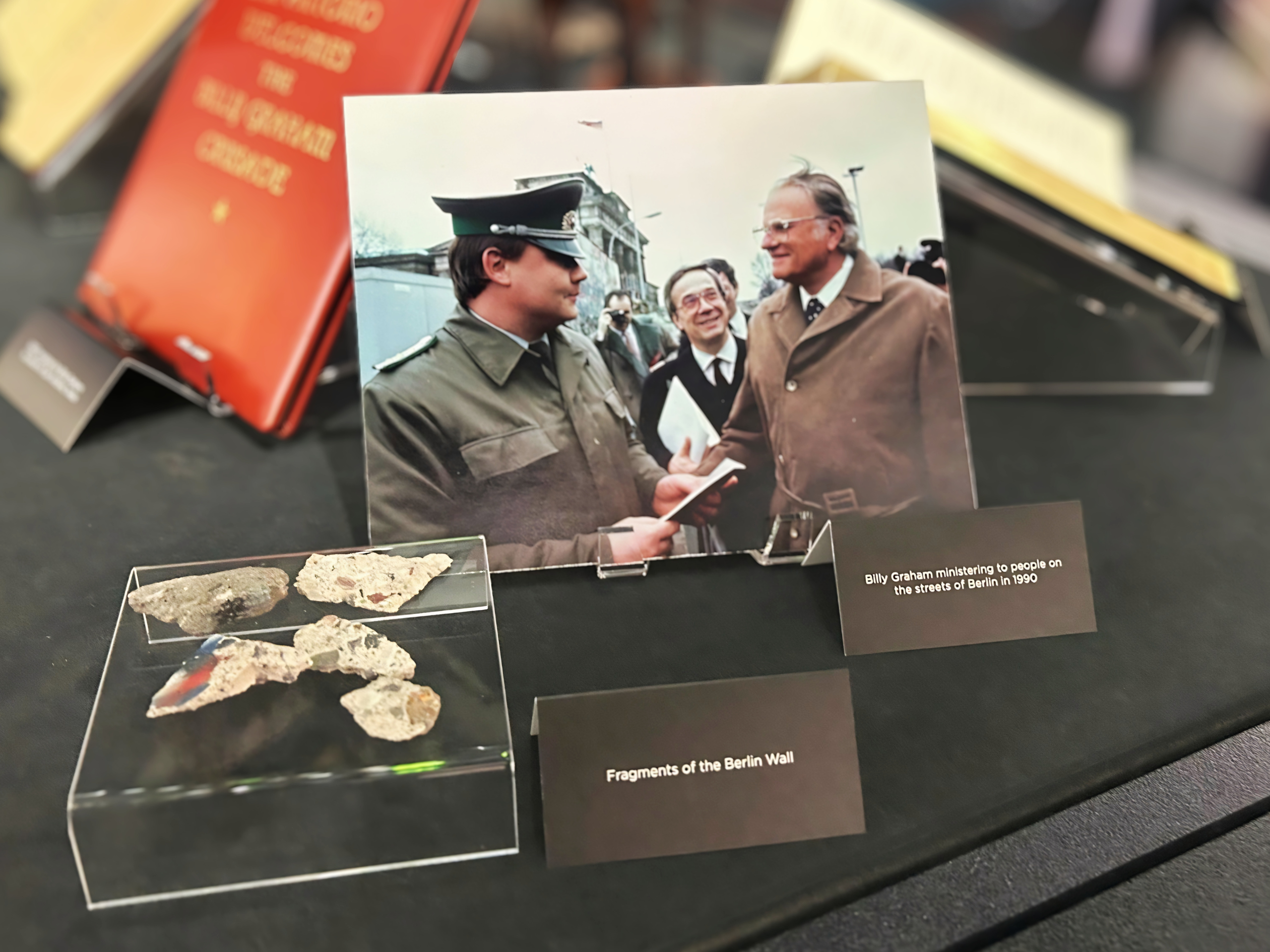
For more than six decades, Billy Graham carried one unchanging message to the world: the hope of Jesus Christ. That mission led him across continents and into countries where the Gospel was rarely preached.
During a visit to the Soviet Union in 1959, Billy Graham stood in Moscow’s Lenin Stadium and quietly prayed that God would one day allow him to return and proclaim the Gospel in Russia and across Eastern Europe.
At the time, that outcome seemed unlikely. The Cold War had closed borders, restricted religious freedom, and left millions of people living behind what became known as the Iron Curtain. No place reflected that division more clearly than the Berlin Wall—a 96-mile-long structure that encircled West Berlin, separating it from East Germany.
While oppressive governments built barriers, Billy Graham believed the Gospel could never be contained by a man-made wall or political systems. He sought every opportunity to share the hope of Jesus Christ even in countries behind the Iron Curtain. In the 1970s, the evangelist shared the Gospel in communist countries such as East Germany, Poland, Hungary, Czechoslovakia and even the Soviet Union.
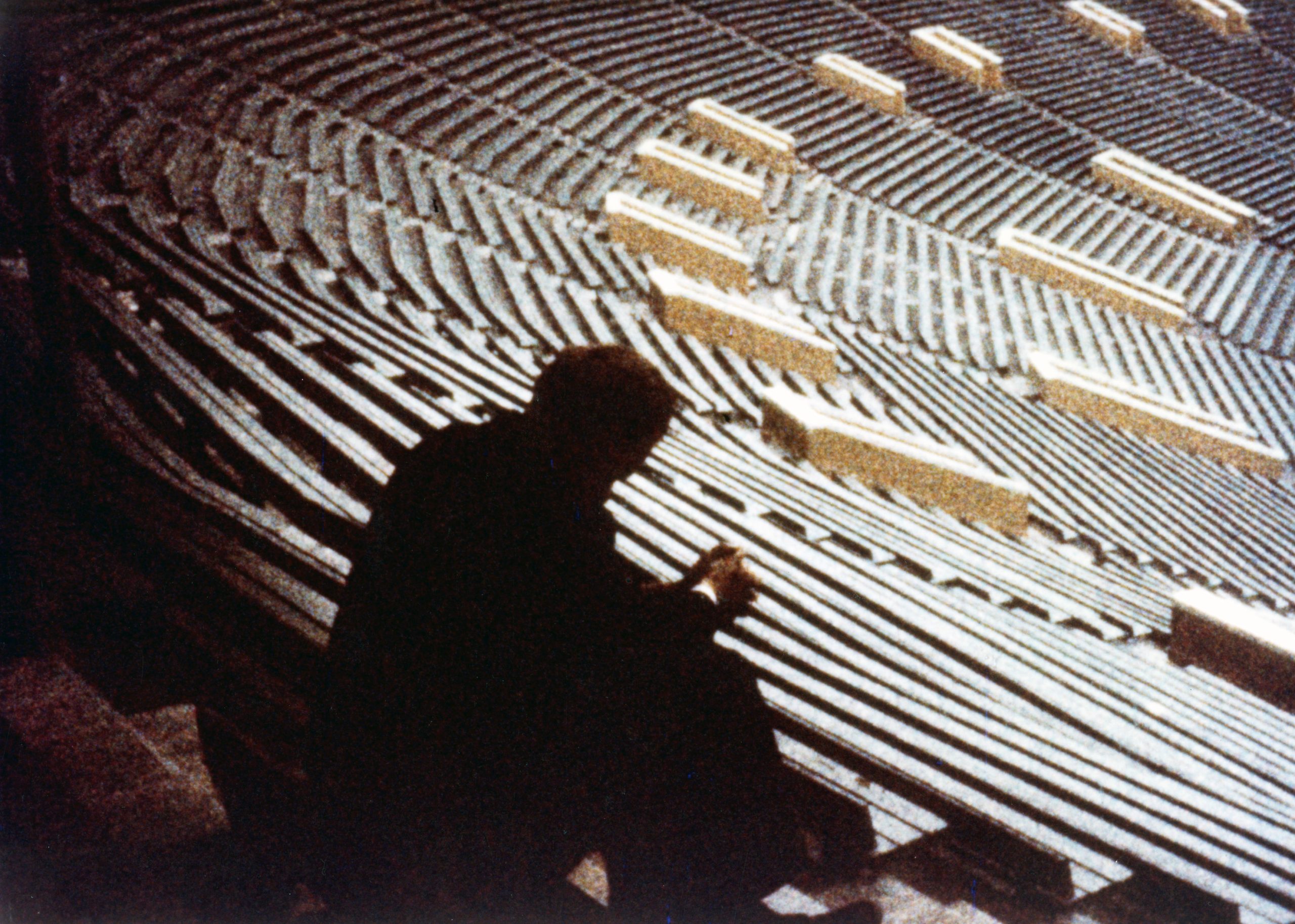
Years after praying in Moscow’s Lenin Stadium, Billy Graham saw God answer that prayer. In 1982, he was able to preach publicly in the Soviet Union for the first time. He returned several times throughout the 1980s, sharing the hope of Jesus Christ in churches and meeting with pastors and church leaders.
That same year, while visiting East Germany, Billy Graham was reminded that much of Europe remained divided. In his autobiography, Just As I Am, he recalled driving alongside the Berlin Wall: “Several times we drove along the Berlin Wall. Our government hosts pointedly avoided mentioning it. … Once or twice, however, the pastor sitting next to me discreetly nudged me and nodded towards the ugly barrier.”
Looking back on those years, Billy Graham reflected on the remarkable changes that followed. “Very few people—including me—ever imagined that Communism in Eastern Europe and the Soviet Union would collapse almost overnight,” he wrote. “But as we approached the mid-1980s, no one could have predicted that in half a dozen years the Berlin Wall would be torn down and the Soviet Union disbanded.”
Following the fall of the Berlin Wall in late 1989, God continued to use Billy Graham to proclaim the hope of Jesus Christ to people on both sides of the former Iron Curtain. Just four months later, on March 10, 1990, Billy Graham preached near the Brandenburg Gate to an estimated 10,000 to 15,000 people from both East and West Berlin.
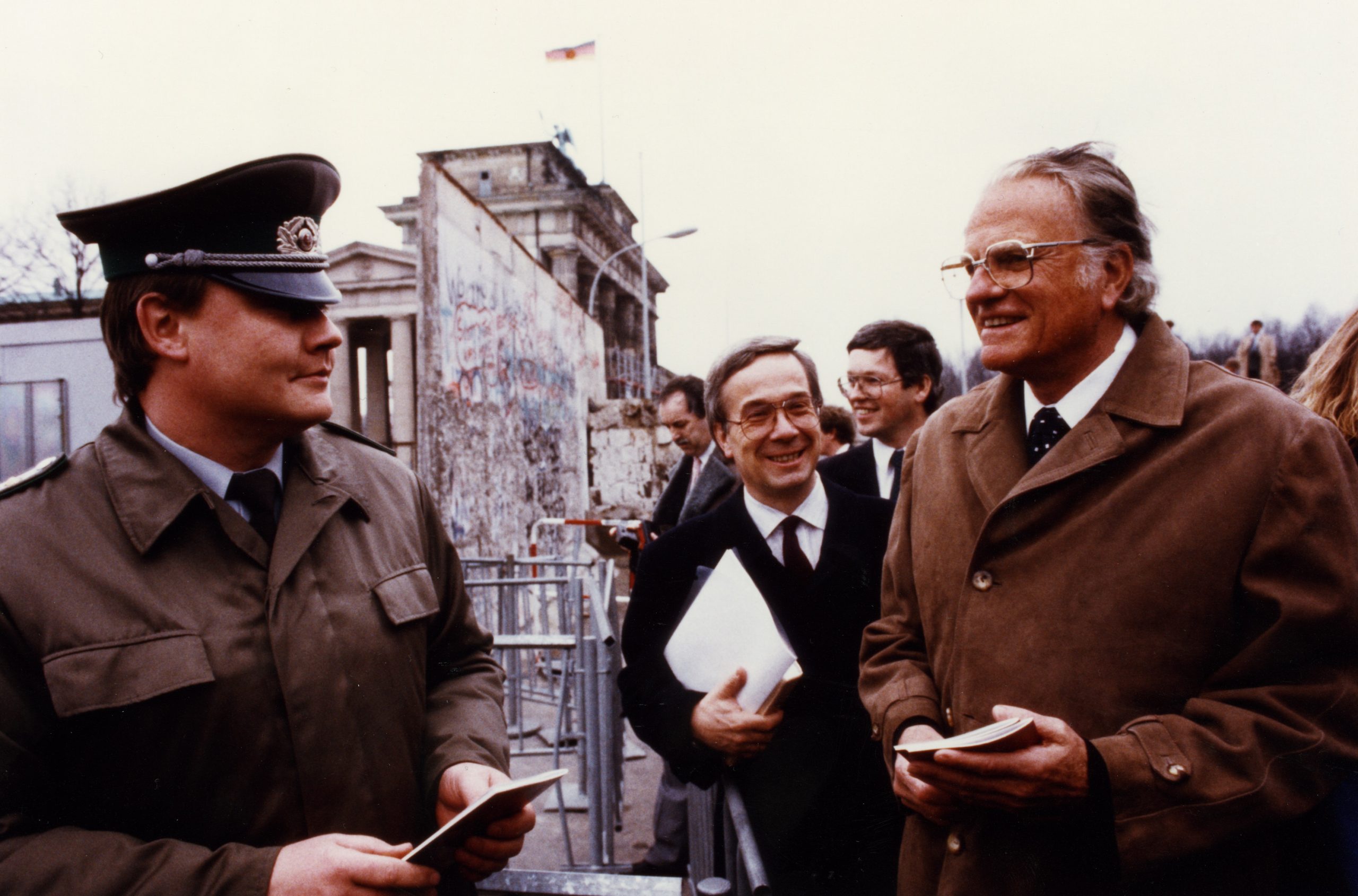
Using the fallen wall as a powerful illustration, Billy Graham reminded the crowd that an even greater barrier separates every person from God. “There’s a much stronger wall between you and God because of sin,” the evangelist said. “And that’s why Jesus Christ came—He came to break the wall down. He came to open the way to God, so you can have fellowship with Him and have the peace and the joy that He can bring.”
As the Cold War gave way to a new era in Eastern Europe, Billy Graham faithfully continued the work God had called him to do—proclaiming the Good News of Jesus Christ. His message of hope reached across borders, reminding people that the greatest freedom is found in a relationship with Christ.
Visitors can see authentic fragments of the Berlin Wall and experience an educational exhibit on the Cold War in The Journey of Faith tour at the Billy Graham Library. Plan your visit and book your free ticket or explore upcoming events at the Billy Graham Library.